Reviewing the Autism Teacher Teach Accept Design
As a designer who spends half my life digitizing and the other half stitching, I have learned that not every graphic translates well to thread. When I first pulled up the Autism Teacher Teach Accept PNG SVG file, my initial reaction was one of cautious optimism. The message is powerful, timely, and deeply meaningful for a specific niche of educators and advocates. But in the world of embroidery, sentiment alone does not make a successful product. The design must hold up under the needle, maintain clarity on various textiles, and offer versatility for the modern craft business.
This review breaks down how this specific asset performs when moved from the screen to the hoop. Whether you are an Etsy seller looking to expand your inclusive education line or a hobbyist making a personalized gift, understanding the technical realities of this design is crucial before you commit to production.
First Impressions and Visual Personality
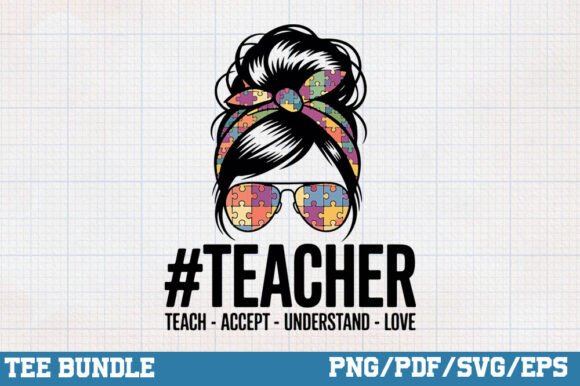
The core strength of the Autism Teacher Teach Accept concept lies in its simplicity. In embroidery, complexity is often the enemy of quality, especially when dealing with text-based designs. Upon inspecting the provided files, including the high-resolution 4500×5400 PNG and the editable EPS and SVG vectors, the layout appears clean and balanced. The typography suggests a modern, approachable aesthetic that aligns well with current trends in teacher apparel and classroom decor.
For a designer, the mood here is professional yet warm. It avoids the cluttered look of some awareness-themed graphics, opting instead for a straightforward declaration. This visual personality makes it highly adaptable. It does not scream for attention with excessive ornamentation; rather, it relies on the strength of the message and the quality of the execution. This makes it an ideal candidate for projects where readability is paramount, such as tote bags or sweatshirts worn in busy school environments.
Real-World Application: The Custom Tote Bag Scenario
To truly evaluate a design, I mentally place it in a real-life production scenario. Let us consider a custom embroidered tote bag for a special education teacher. This is a popular item in the craft business sector, often purchased as a holiday gift or a end-of-year appreciation present.
Using the SVG file, I can scale the design to fit a standard 5x7 or 6x10 hoop comfortably. The linear nature of the text means that stitch density must be managed carefully. If I were digitizing this from scratch, I would likely use a combination of satin stitch for smaller text elements and a light fill stitch for larger letters to prevent puckering. Since this product provides raster and vector graphics rather than a pre-digitized embroidery file, the responsibility falls on the maker to ensure the conversion respects these principles.
On a canvas tote, the texture of the fabric can interfere with fine details. The high contrast of the design helps here. By choosing a bold thread color against a neutral bag, the message remains legible even from a distance. This practical application highlights why the design’s simplicity is an asset rather than a limitation. It survives the transition from digital asset to physical handmade product without losing its impact.
Versatility Across Products and Fabrics
Beyond tote bags, this design shows promise across a wide range of substrates. For custom apparel, such as a teacher’s sweatshirt, the design can be centered on the chest or placed on the sleeve for a subtle statement. When working with stretchy fabrics like jersey knits, using the proper stabilizer is non-negotiable. The weight of the thread can cause lightweight fabrics to warp if not supported correctly.
For baby embroidery items, such as a onesie or a nursery blanket, scale becomes the primary concern. You must reduce the size significantly. At smaller scales, the spacing between letters must be sufficient to prevent the stitches from merging into a solid blob. This is where testing on scrap fabric is essential. I always recommend running a test stitch-out on the same material you intend to use for the finished product. This allows you to adjust tension and density before committing to the final piece.
The design also works well for printed applications. The included PDF and PNG files are print-ready, making them suitable for wall art or printable mockups. This dual utility adds value for small shop owners who want to offer both physical and digital products. A cohesive brand presence across embroidered goods and printable decor can significantly boost customer trust and engagement.
Technical Considerations and Potential Pitfalls
While the design is strong, there are areas where caution is required. Because this is provided as a graphic file (PNG, SVG, EPS) and not a native machine embroidery format, you will need to digitize it or convert it using software. This step introduces variables that can affect the final outcome.
- Stitch Density: Avoid creating overly dense fills. Text designs look best with clean, crisp edges. Over-digitizing can lead to a stiff, cardboard-like feel on the fabric.
- Thread Color Contrast: The effectiveness of this design relies heavily on contrast. On dark fabrics, ensure you use a bright, opaque thread. On light fabrics, a deep, rich color will provide the necessary definition.
- Small Details: If you plan to use this on curved surfaces like caps, be mindful of distortion. The curvature of the cap can stretch the design, potentially making the text appear uneven. Using a cap frame and appropriate backing is critical.
- Fabric Texture: Highly textured fabrics, such as terry cloth towels or fluffy blankets, can swallow small stitches. In these cases, increasing the stitch width slightly or using a topping stabilizer can help the design sit on top of the pile rather than sinking in.
Enhancing Brand Value and Customer Connection
From a business perspective, the Autism Teacher Teach Accept PNG SVG taps into a meaningful narrative. Products that advocate for acceptance and inclusion resonate deeply with buyers. When executed well, these items become more than just merchandise; they become symbols of support and community.
For the Etsy seller or boutique owner, this design offers an opportunity to demonstrate professionalism. A cleanly stitched, well-placed design signals quality. It shows that the maker cares about the details. This attention to detail builds brand consistency and encourages repeat customers. Furthermore, because the theme is evergreen within the education and advocacy communities, it has longevity beyond seasonal trends.
However, ethical considerations are paramount. Always confirm the licensing terms before selling finished items. While the product description indicates it is suitable for POD and commercial use, verifying the specific rights associated with the font and graphic elements ensures you remain compliant. Transparency with customers about the materials and processes used also enhances the perceived value of the handmade product.
Final Verdict for the Modern Maker
In conclusion, the Autism Teacher Teach Accept design is a versatile and impactful asset for the creative entrepreneur. Its strength lies in its clear messaging and adaptable layout. While it requires careful handling during the digitization and stitching process—particularly regarding scale and fabric choice—the potential rewards are significant.
Whether you are creating a personalized gift for a beloved educator or stocking your small shop with meaningful apparel, this design holds up under scrutiny. By respecting the technical requirements of embroidery and focusing on high-quality execution, you can transform this digital file into a tangible product that inspires and connects. Remember to test, adjust, and refine your approach for each unique project, and you will find this design to be a valuable addition to your library of Crafts and Graphics resources.