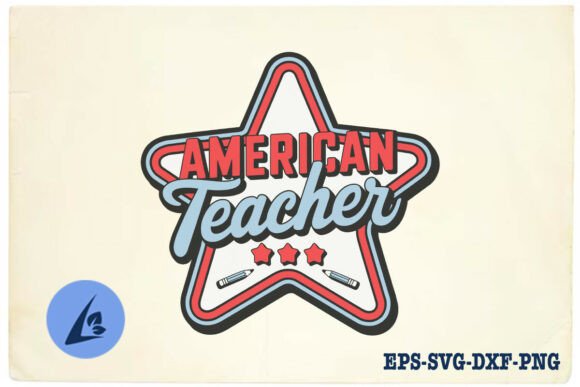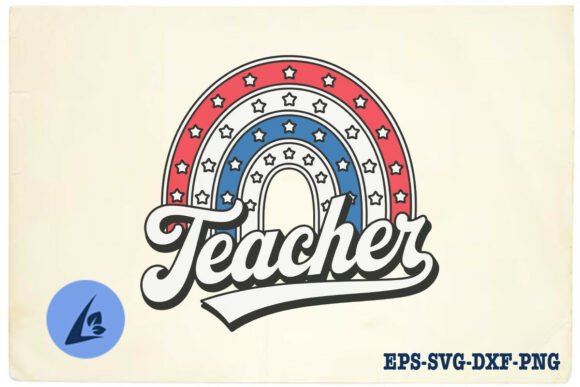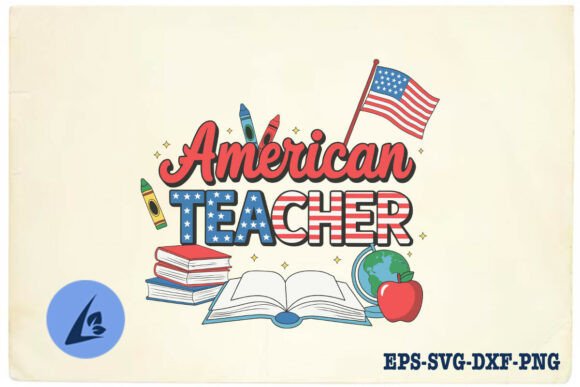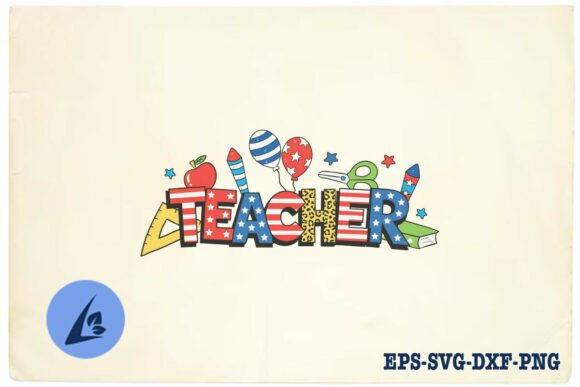
Reviewing the American Teacher 4th of July SVG for Embroidery
As a designer who spends half my life digitizing and the other half stitching, I have learned that not every digital file translates well to thread. We live in an era where Crafts and Graphics intersect constantly, but the jump from a screen to a hoop is where the real test happens. Recently, I evaluated the American Teacher 4th of July USA SVG to determine its viability for real-world projects. This is not just about whether the image looks cute on a tablet; it is about how it behaves under the needle, how it wears after washing, and whether it adds genuine value to a handmade product.
First Impressions: Theme and Visual Personality
The moment I loaded the American Teacher 4th of July USA SVG, the theme was unmistakable. It captures that specific niche of patriotic pride mixed with professional identity. For educators, the Fourth of July is not just a holiday; it is a moment to celebrate civic duty and history. The design leans into this with a layout that feels celebratory yet structured. Visually, it balances bold elements with enough negative space to prevent the stitch-out from becoming a dense, cardboard-like patch. The mood is upbeat and proud, making it an ideal candidate for seasonal merchandise that does not feel overly aggressive or political, but rather communal and festive.
From a Graphics perspective, the lines appear clean. In embroidery, clean lines are non-negotiable. Jagged edges in a digital file often translate to messy satin stitches or unnecessary travel threads. This design seems to respect the limitations of thread, offering shapes that can be filled smoothly without excessive density. It feels like a design built for clarity, which is essential when you are working with the textured nature of fabric.
Real-World Application: The Custom Tote Bag Test
To truly understand the potential of this machine embroidery design, I imagined it applied to a heavy canvas tote bag. This is a staple item for teachers, who often carry books, papers, and supplies. A tote bag offers a large, flat surface area, making it perfect for a medium-to-large hoop size. The American Teacher 4th of July USA SVG would sit prominently on the front panel. Because canvas has a distinct weave, the design needs enough substance to stand out against the texture. The bold elements of the SVG would likely require a solid fill stitch approach to ensure the red, white, and blue thread colors pop against the natural or dyed fabric.
I also considered this design for a sweatshirt. Sweatshirt embroidery presents different challenges. The fabric is thicker, often fleeced, and requires careful handling to avoid puckering. Here, the design’s simplicity works in its favor. Complex, tiny details get lost in the pile of a cotton blend hoodie. However, the core shapes of this USA-themed graphic are robust enough to remain legible. It transforms a standard piece of custom apparel into a statement piece that a teacher might wear during school parades or community events.
Navigating Fabric and Stitch Challenges
While the design is strong, there are areas where caution is necessary. If you are planning to use this on a cap, you must consider the curved surface. Caps require specialized digitizing techniques to account for the push and pull of the fabric. If the American Teacher 4th of July USA SVG is used as-is on a curved brim or panel, the text or intricate borders might distort. It is best suited for the front panel of a structured cap, using a sturdy stabilizer to maintain shape.
Another critical consideration is stitch density. Digital files intended for print or vinyl cutting often ignore the physical bulk of thread. If this SVG is converted into an embroidery file without adjusting the density, it could become too stiff. For items like baby clothes or lightweight tea towels, a high-density fill will make the fabric uncomfortable and prone to tearing. In these cases, I recommend using an applique design technique. By using fabric pieces for the larger colored areas and only stitching the outlines and details, you reduce the thread count significantly. This keeps the finished product soft and flexible, which is crucial for baby embroidery or items that will be washed frequently.
Dark fabrics present another hurdle. If you are stitching this on a navy or black garment, the white elements of the design need to be opaque. This often means adding an underlay stitch or increasing the density of the white threads to prevent the dark fabric from showing through. Always test your thread colors on scrap fabric before committing to the final piece. What looks bright on a screen may appear dull or translucent on dark cotton.
Commercial Viability for Etsy Sellers and Craft Businesses
For the Etsy seller or small shop owner, the American Teacher 4th of July USA SVG represents a timely opportunity. Seasonal items drive significant traffic, and teachers are a dedicated demographic who appreciate personalized goods. This design fits seamlessly into a lineup of holiday embroidery products. It can be marketed as a personalized gift for end-of-year celebrations or summer camp preparations.
However, professionalism is key. Customers judge quality by the finish. If the design results in loose threads, uneven tension, or puckered fabric, it damages brand consistency. Using this design effectively means paying attention to the hoop size relative to the garment. Do not cram a large design into a small hoop if it forces you to stitch near the edge where tension is unstable. Furthermore, ensure that the licensing allows for commercial embroidery. While the product description mentions premium digital files for DIY and transfers, always confirm the terms for selling physical finished goods. Many designers allow the sale of stitched items but prohibit the resale of the digital file itself.
Practical Designer Notes for Best Results
Before you start stitching, take a moment to prepare. Here is my checklist for working with this type of digital embroidery file:
- Test on Scrap: Always run a test stitch on the same fabric type you intend to use. This reveals issues with tension and density before you ruin a good garment.
- Check Contrast: View the design in black and white. If the details disappear, the contrast is too low, and you may need to adjust thread choices or simplify the stitch path.
- Stabilizer Selection: Match your stabilizer to your fabric. Use cut-away for stretchy knits like t-shirts and tear-away for stable wovens like tote bags. Proper stabilization prevents distortion.
- Inspect Small Details: Look closely at any tiny lettering or thin lines. If they are thinner than 1mm, they may break or look messy. Consider removing or thickening these elements in your digitizing software.
- Verify Licensing: Confirm whether the license covers craft business use. Understanding your rights protects your shop from legal issues and ensures ethical design practices.
Final Verdict on the Design Asset
The American Teacher 4th of July USA SVG is a versatile asset for those who understand the nuances of embroidery. It is not just a graphic; it is a blueprint for a tactile experience. When handled with care regarding fabric choice, stabilizer, and stitch density, it produces a high-quality handmade product that resonates with its audience. It bridges the gap between digital convenience and artisanal craft, offering a reliable foundation for design assets that sell. Whether you are creating an embroidered patch for a uniform or a festive pillow cover for home decor, this design holds up under scrutiny. It reminds us that in the world of Crafts, success lies in the details we choose to honor and the practical judgments we make before the needle ever hits the fabric.