Reviewing Little Hands Teacher Life Colorful for Stitching
As a designer who spends half my life digitizing and the other half stitching, I have learned that not every cute graphic translates well to thread. When I first pulled up Little Hands Teacher Life Colorful, my initial reaction was one of cautious optimism. The visual personality is undeniably charming, tapping into that warm, nostalgic aesthetic that dominates the education sector. But charm alone does not make a viable embroidery project. I needed to know if this design could hold up under the needle, especially when applied to real-world items like tote bags, sweatshirts, and personalized gifts.
The First Impression: Mood and Layout
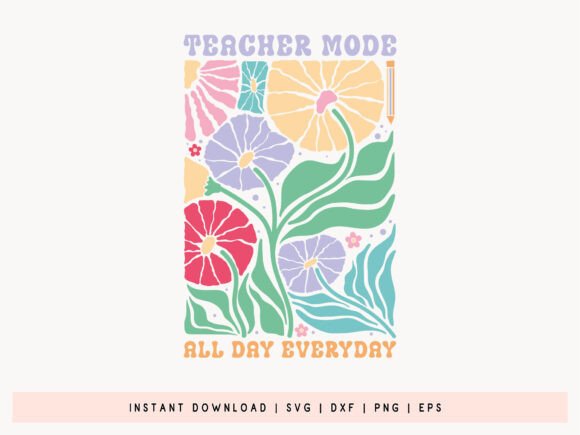
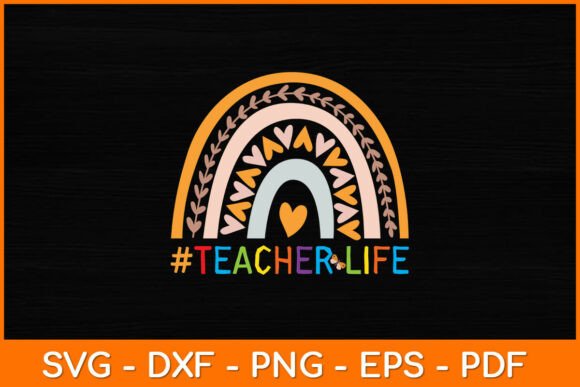
The layout of Little Hands Teacher Life Colorful relies heavily on the interplay between organic shapes and structured typography. The "little hands" motif creates an immediate emotional connection, suggesting care, guidance, and growth. For a teacher, this is not just a decoration; it is a statement of identity. From a design perspective, the balance feels right for a central chest placement or a large back print. However, the term "Colorful" in the title suggests a reliance on multiple thread changes. In embroidery, every color change adds time and potential for error. I immediately started mentally mapping out the thread colors required to maintain the vibrancy without turning the stitching process into a marathon.
The mood is playful yet professional. It avoids the chaotic clutter often seen in lower-quality design assets. Instead, it offers clean lines that suggest a modern approach to traditional school-themed imagery. This is crucial for Etsy sellers and craft business owners who need their products to look boutique-quality, not homemade in a rushed manner. A clean design implies a high-value finished product.
Real-World Application: The Tote Bag Test
To truly evaluate this graphic, I imagined applying it to a canvas tote bag design. Canvas is a forgiving fabric, but it has a distinct weave that can swallow fine details. If Little Hands Teacher Life Colorful were composed of tiny, intricate elements, it would disappear into the texture. Fortunately, the bold nature of the primary shapes suggests it would stand out well. I envision using a heavy-cut stabilizer to prevent the fabric from puckering under the weight of the stitches.
For a personalized gift, such as a end-of-year present for a favorite educator, this design works beautifully on a neutral-colored bag. The contrast between the colorful threads and a natural or black canvas creates a striking visual appeal. It transforms a simple utility item into a cherished keepsake. This is where the handmade product gains its value—not just in the materials, but in the thoughtful application of a design that resonates with the recipient’s profession.
Apparel Challenges: Sweatshirts and Stretch
Moving from rigid canvas to soft apparel introduces new variables. Sweatshirt embroidery requires careful attention to stitch density. If the design is too dense, it will create a stiff, cardboard-like patch on a soft fleece or cotton blend. If it is too light, the fabric might show through, breaking the continuity of the image. When reviewing Little Hands Teacher Life Colorful, I look for areas where the design might benefit from a fill stitch versus a satin stitch. Satin stitches are great for borders and text, providing a shiny, smooth finish, but they can snag on fuzzy fabrics. Fill stitches are more durable and lay flatter on textured surfaces.
For custom apparel like teacher appreciation week shirts, durability is key. These garments are washed frequently. A design that looks perfect on day one but frays by day ten is a liability for any small shop product. I would recommend testing the design on scrap fabric identical to the final garment. This allows you to check how the threads interact with the fabric texture and whether the hoop size you intend to use captures the entire design without distortion.
Navigating Technical Constraints
It is important to address the source of this file. The description notes that Little Hands Teacher Life Colorful is a print cut file compatible with Cricut and Silhouette machines. This is a critical distinction for embroiderers. A SVG designed for vinyl cutting is vector-based and scalable, but it is not an embroidery file (such as PES, DST, or JEF). You cannot simply load a SVG into an embroidery machine.
This means you have two paths. First, you can use the SVG as a reference to manually digitize the design for embroidery, giving you full control over stitch types and direction. Second, you may need to find a converted version or hire a digitizer. If you are using this for commercial embroidery, ensuring you have the correct license for the digital file is paramount. Always confirm licensing before selling finished items. Using a cut file design as a basis for embroidery is common, but the technical execution requires a different skill set than vinyl application.
When adapting this for embroidery, pay close attention to small details. Tiny lettering or thin lines in the original graphic may need to be thickened to ensure they stitch out cleanly. On dark fabrics, you might need an underlay stitch to prevent the background color from peeking through the lighter thread colors. This is especially true for the "rainbow" aspects of the design, where bright yellows or whites might lack coverage on navy or black fabric.
Enhancing Visual Appeal and Brand Consistency
For creative entrepreneurs, consistency is brand currency. Little Hands Teacher Life Colorful fits seamlessly into a broader collection of education-themed Graphics and Crafts. Its style is versatile enough to work on various products, from baby embroidery items like onesies (if scaled down appropriately) to larger home decor pieces like pillow covers. The key is maintaining the integrity of the design across different scales.
Using this design in your portfolio or printable mockup previews can significantly boost buyer engagement. The colorful nature of the design pops in digital thumbnails, attracting clicks from potential customers scrolling through marketplaces. However, the physical product must match that digital promise. High-quality stitching, proper tension, and clean trim backs are non-negotiable. A beautiful design ruined by poor stitching technique will damage customer trust faster than a simple design executed perfectly.
Practical Designer Notes for Success
- Test on Scrap Fabric: Never stitch directly on your final garment. Use a piece of the same material to test tension and density.
- Check Thread Contrast: Ensure your thread colors stand out against the fabric. If stitching on white, avoid light pastels unless you use a contrasting underlay.
- Review Stitch Density: Adjust density based on fabric weight. Lower density for stretchy knits, higher density for stable wovens.
- Confirm Hoop Size: Measure the design dimensions against your machine’s maximum hoop size to ensure it fits without re-hooping.
- Inspect Small Details: Zoom in on the design. Are there elements too small to stitch? Simplify or remove them if necessary.
- Use Proper Stabilizer: Match the stabilizer to the fabric. Cut-away for knits, tear-away for wovens, and wash-away for delicate fabrics.
- Verify Licensing: Since this is originally a cut file, ensure you have the rights to use the design for commercial embroidery sales.
In conclusion, Little Hands Teacher Life Colorful offers a strong foundation for a variety of embroidery projects. Its emotional resonance and clean layout make it a standout choice for teacher-themed merchandise. However, success lies in the translation from screen to stitch. By respecting the technical requirements of embroidery and adapting the design to the specific fabric and product type, you can create a finished product that is both visually stunning and professionally durable. Whether you are an experienced embroidery designer or a hobbyist looking to expand your skills, this design rewards careful planning and precise execution.